Thumbnail
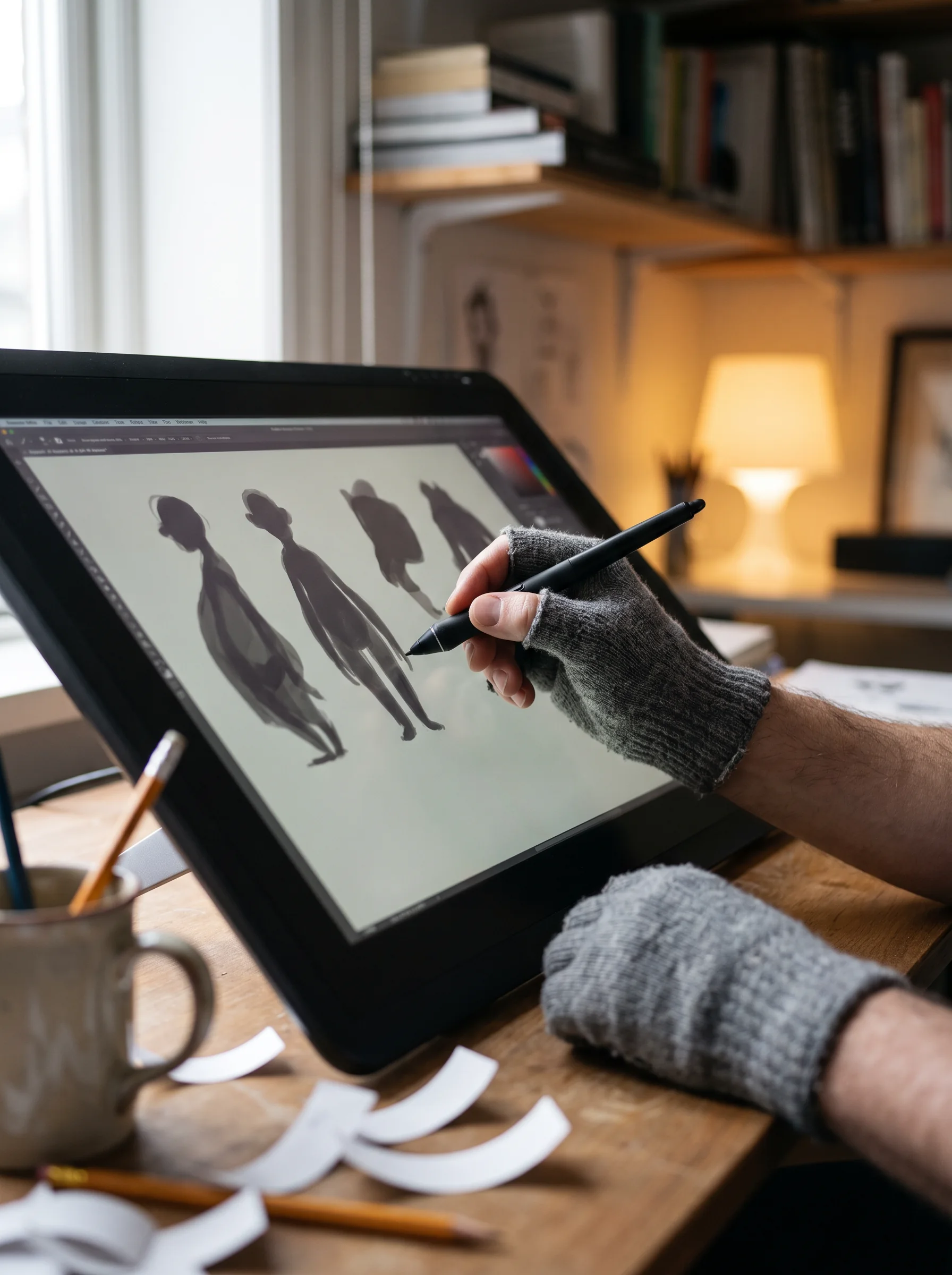
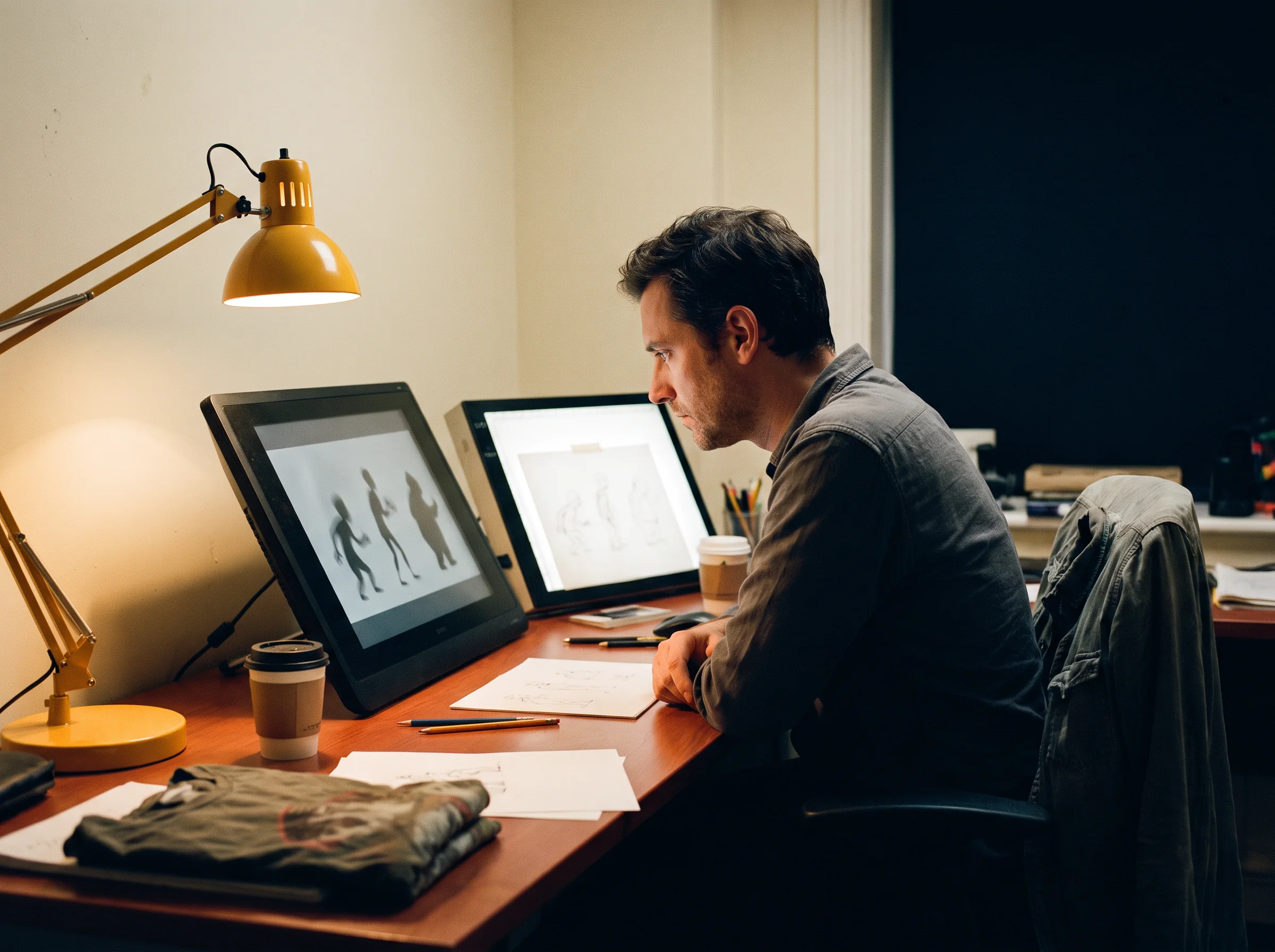
Can the scene’s turning point be seen in three simple poses?
01 A slow-animation school
Frame Garden is an informational study space for character animation and rigging: observation first, action second, revision always. We grow scenes from clear intention rather than busy motion.
Walk through the garden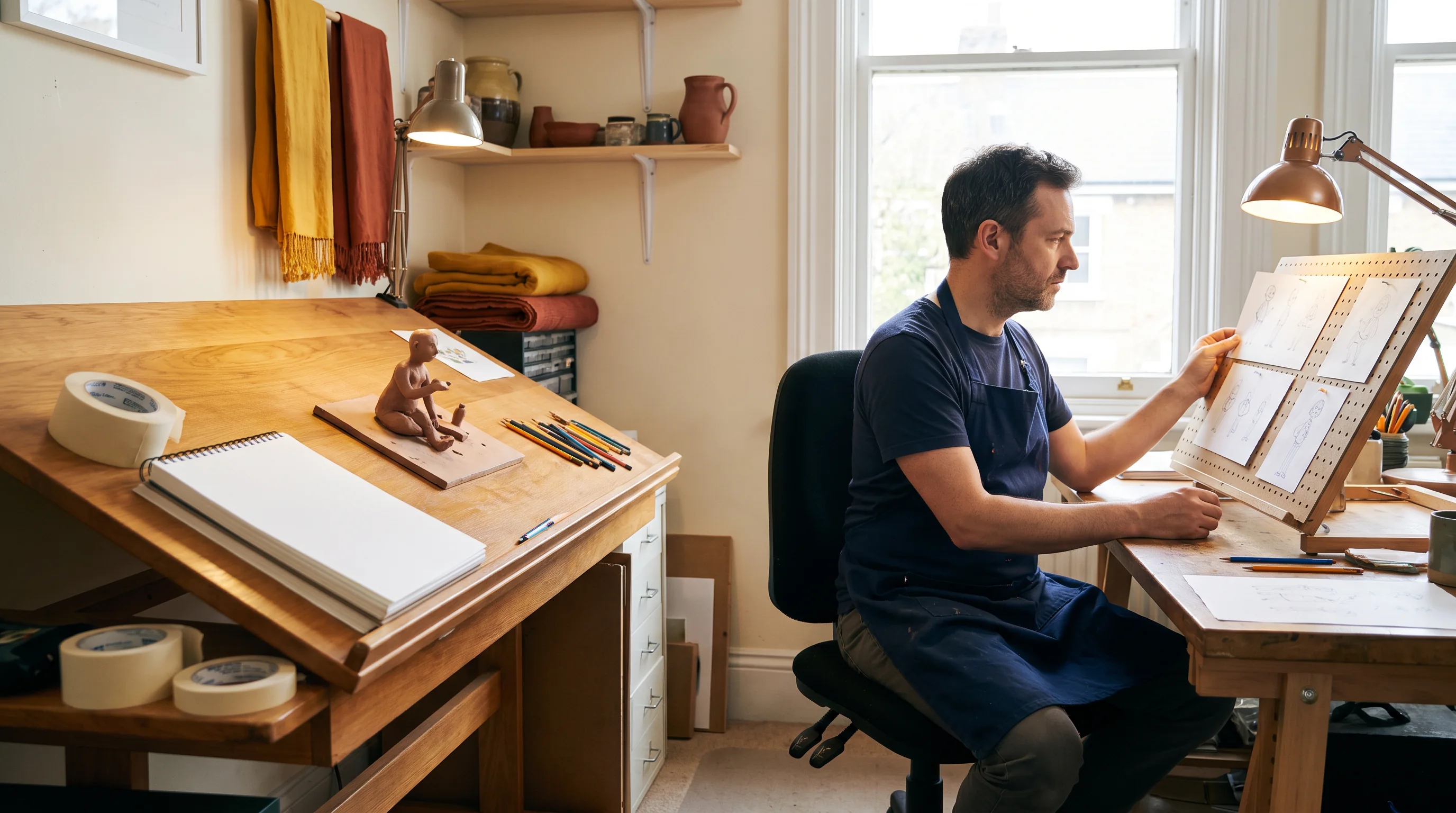
02 What the garden protects
Notice. Find the weight, hesitation and desire already present in a body.
Shape. Turn that observation into a pose a viewer can read at a glance.
Refine. Let timing and rig controls carry the same idea through the whole shot.
03 Acting beats scrapbook
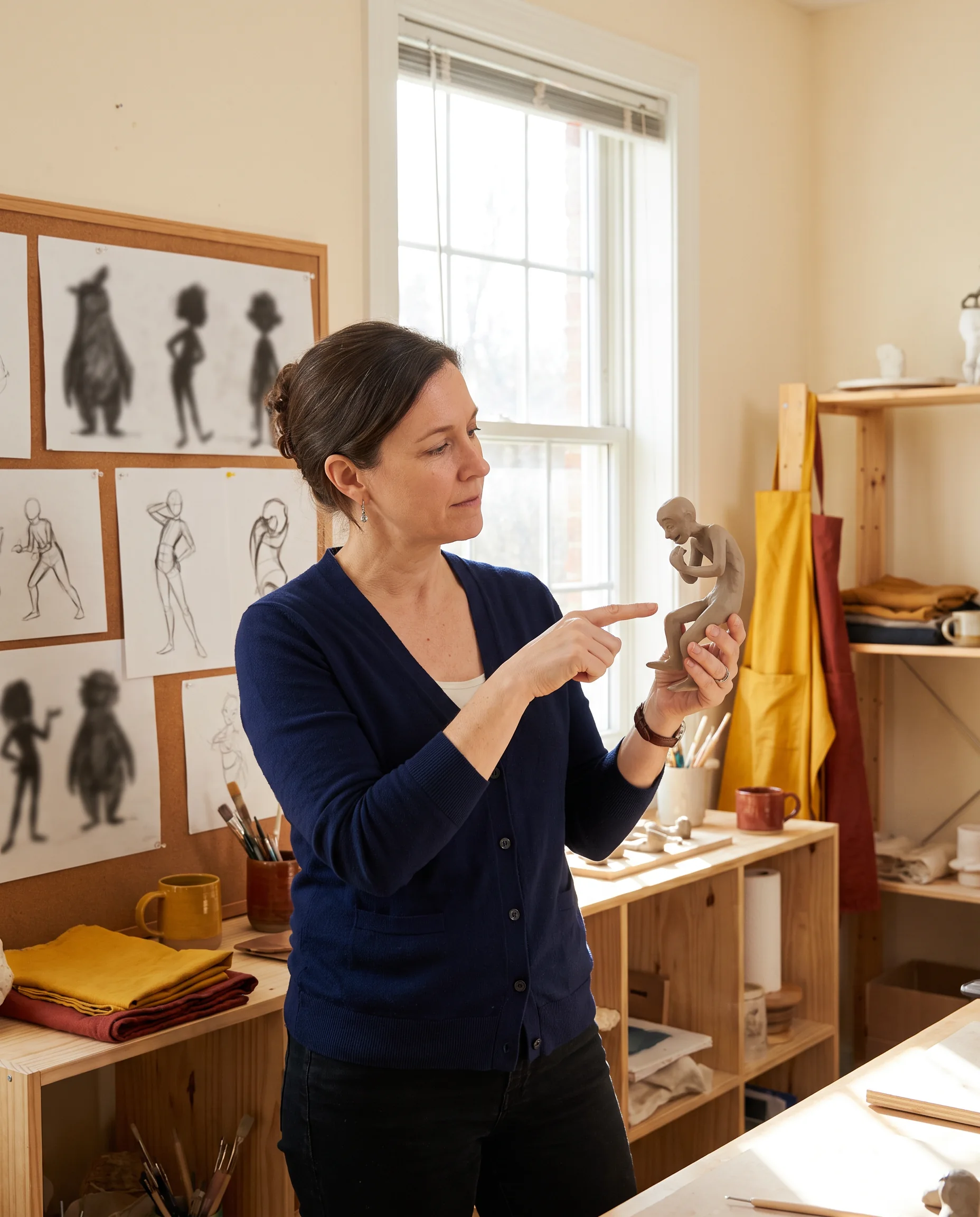
We begin with tiny shifts: a held breath, a glance that changes the plan, a hand that arrives too soon. These are not decorations around animation. They are the scene’s inner weather.

04 Reference gathering table
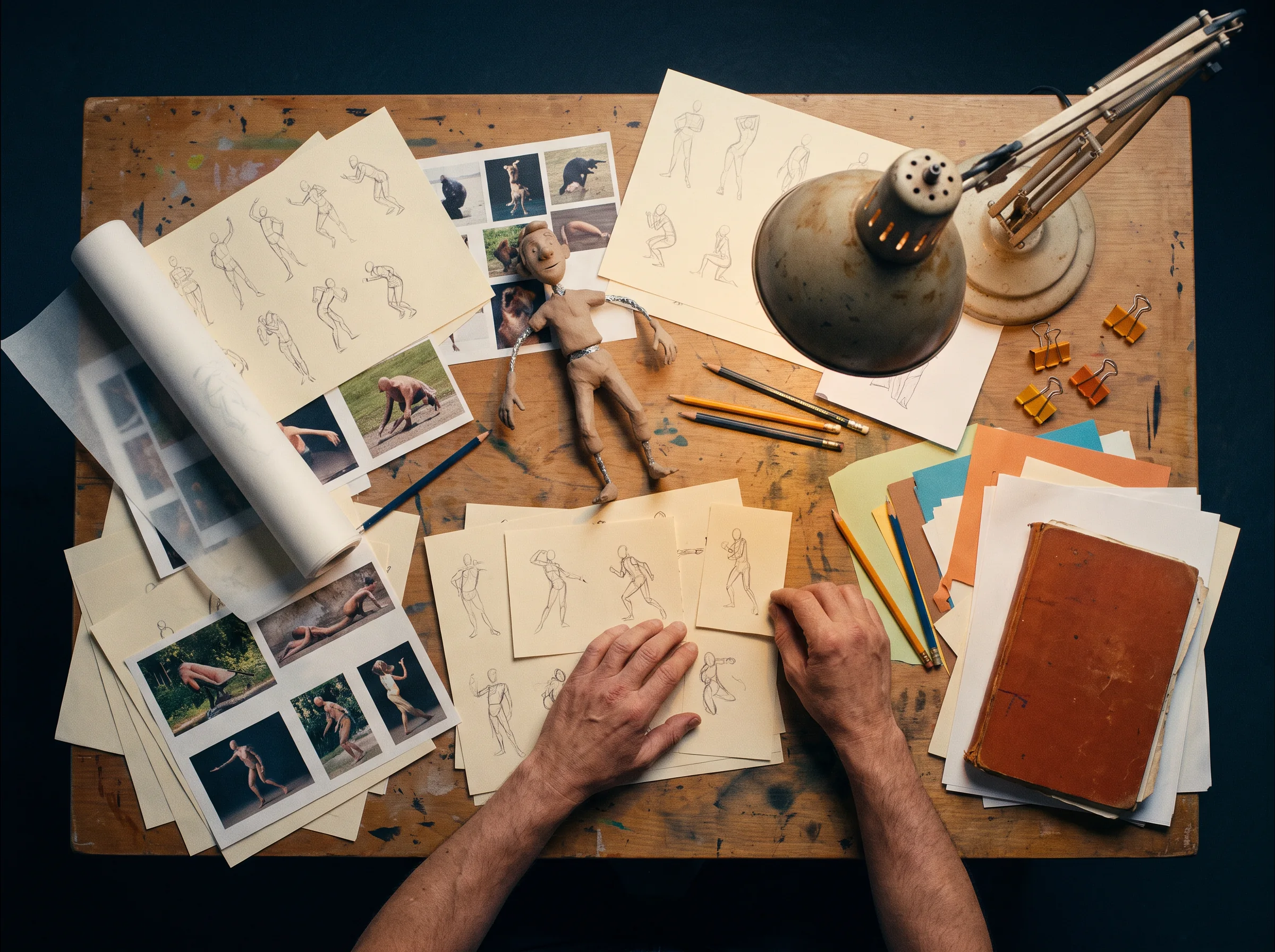
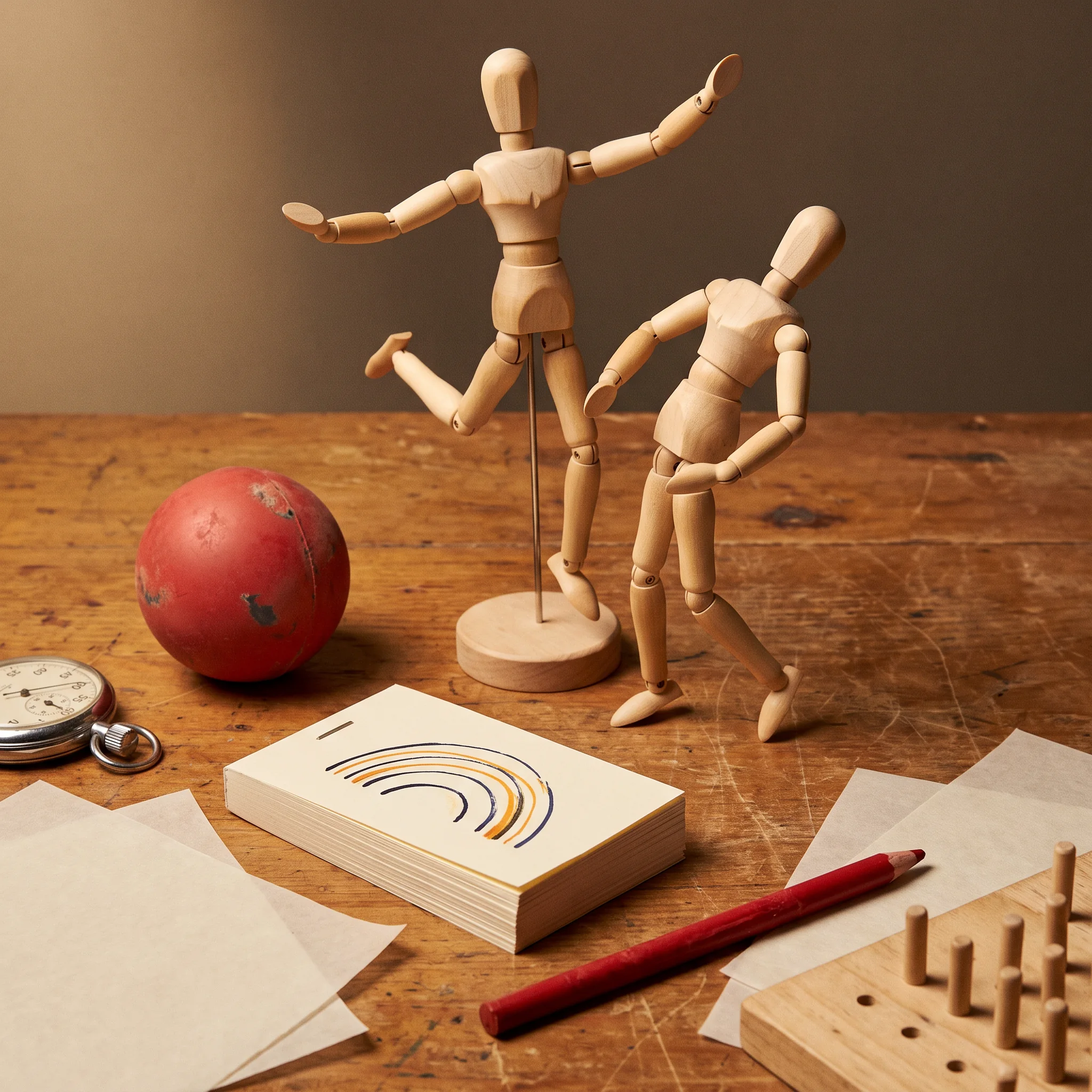
A reference table can hold a remembered walk, a fold in a sleeve, a clay armature, a quick video of a friend lifting a bag. We ask what the evidence tells us about forces, choices and personality.
05 Character appeal studio
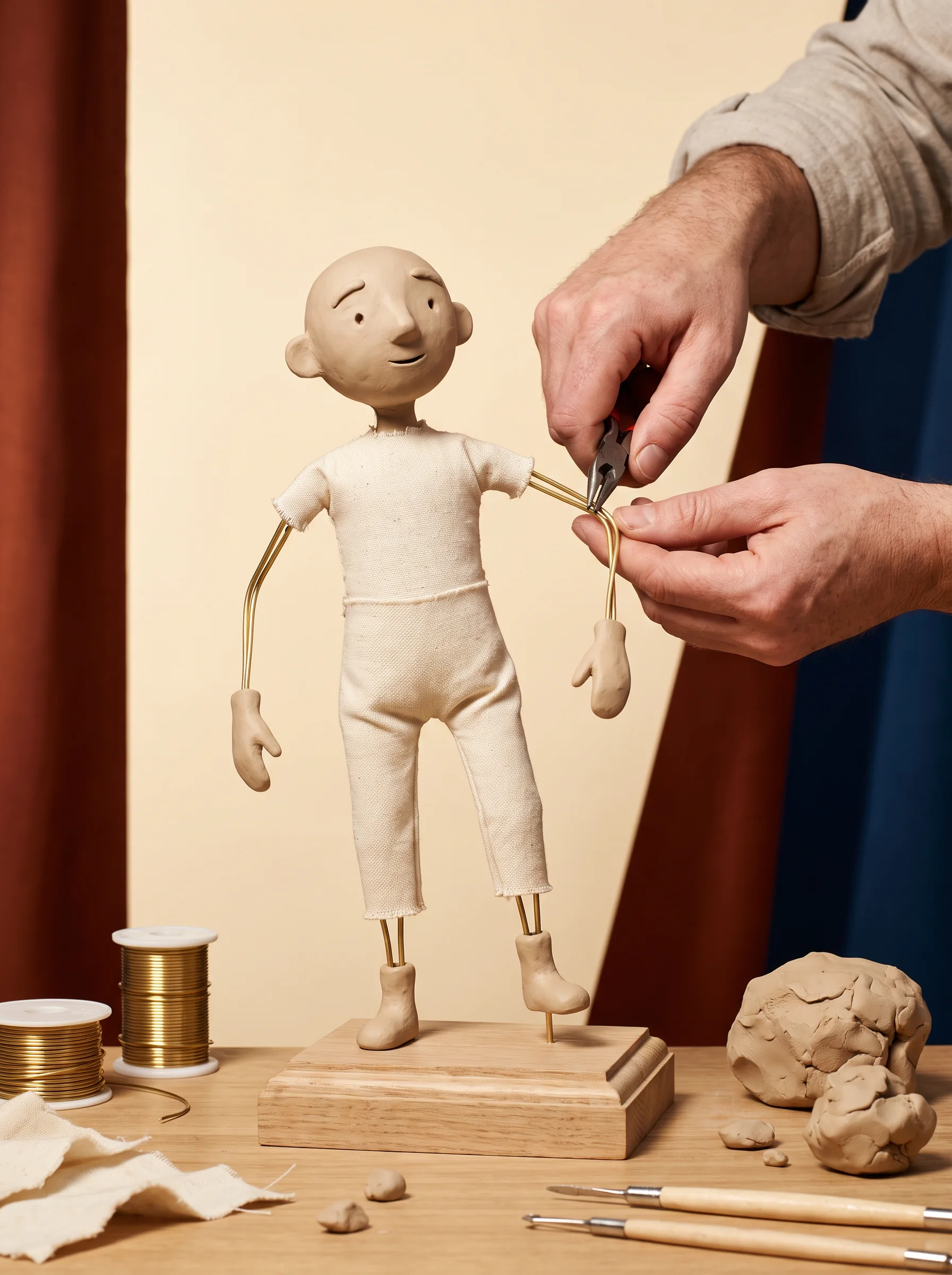
Appeal lives in a character’s choices of proportion, rhythm and silhouette. Rigging is the practical kindness that lets those choices survive the work. Study which controls invite a lively curve, a held asymmetry or a clean change of direction.
06 Pencil-test pathway
Move from a rough spark to a shareable test by naming the uncertainty in front of you.
Can the scene’s turning point be seen in three simple poses?
Do the drawings make the character’s choice legible without explanation?
Where should a moment breathe, rush or resist?
What does the test reveal when watched away from the desk?
07 Timing experiments
Hold a pose long enough and it becomes a private thought. Release it early and it becomes impulse. Explore both. A small timing shift can recast the entire action.
08 Feedback salon
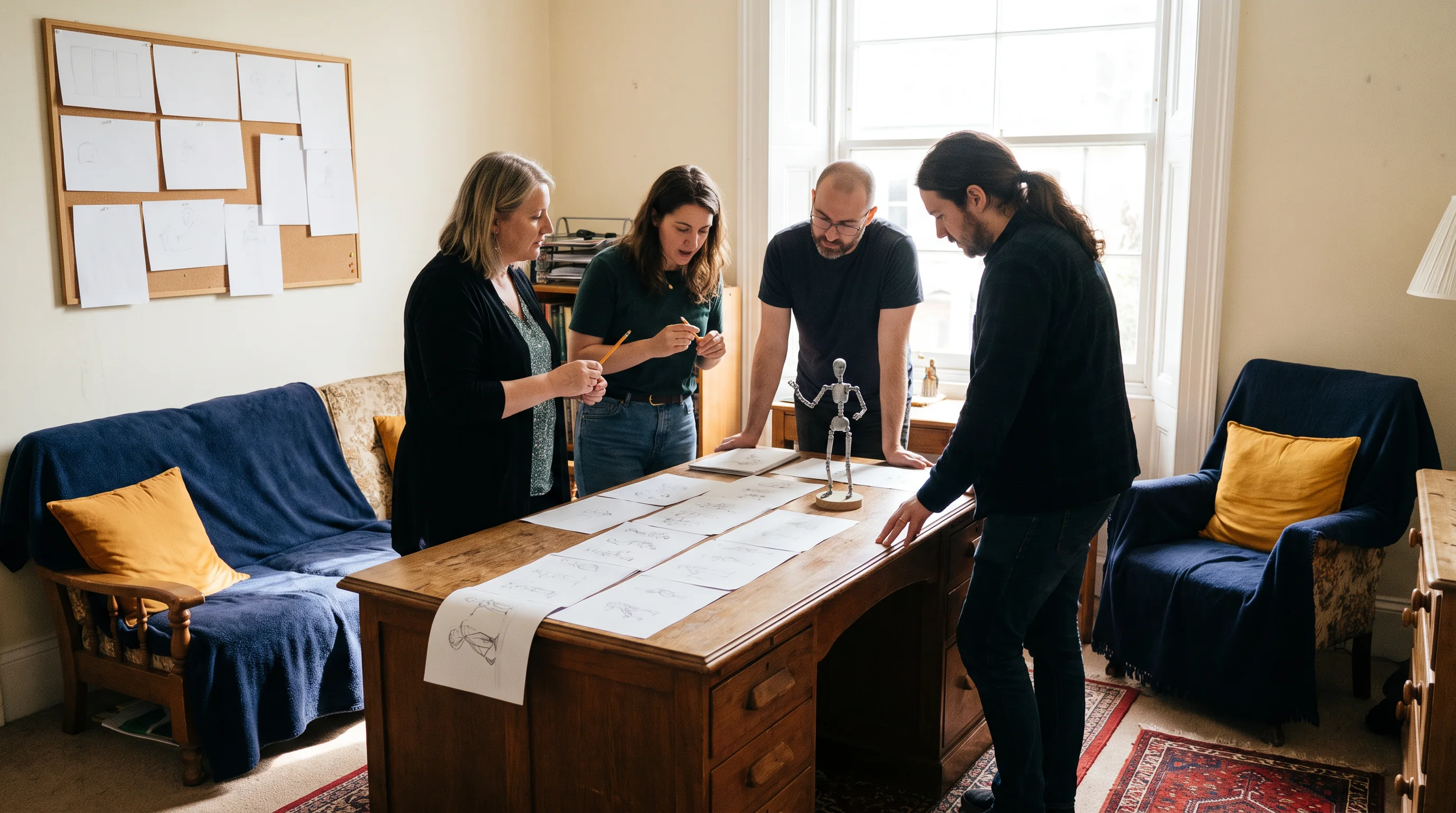
Our feedback frame avoids vague approval and blunt verdicts. We name what we saw, where we lost the idea and which single experiment could clarify the next pass.
09 Studio lenses
Trace the choice behind a gesture before polishing its path.
Map controls to the expressive work they are meant to support.
Give a transition enough space to become an idea rather than a blur.
Showing all three studio observations.
10 Assignment kit
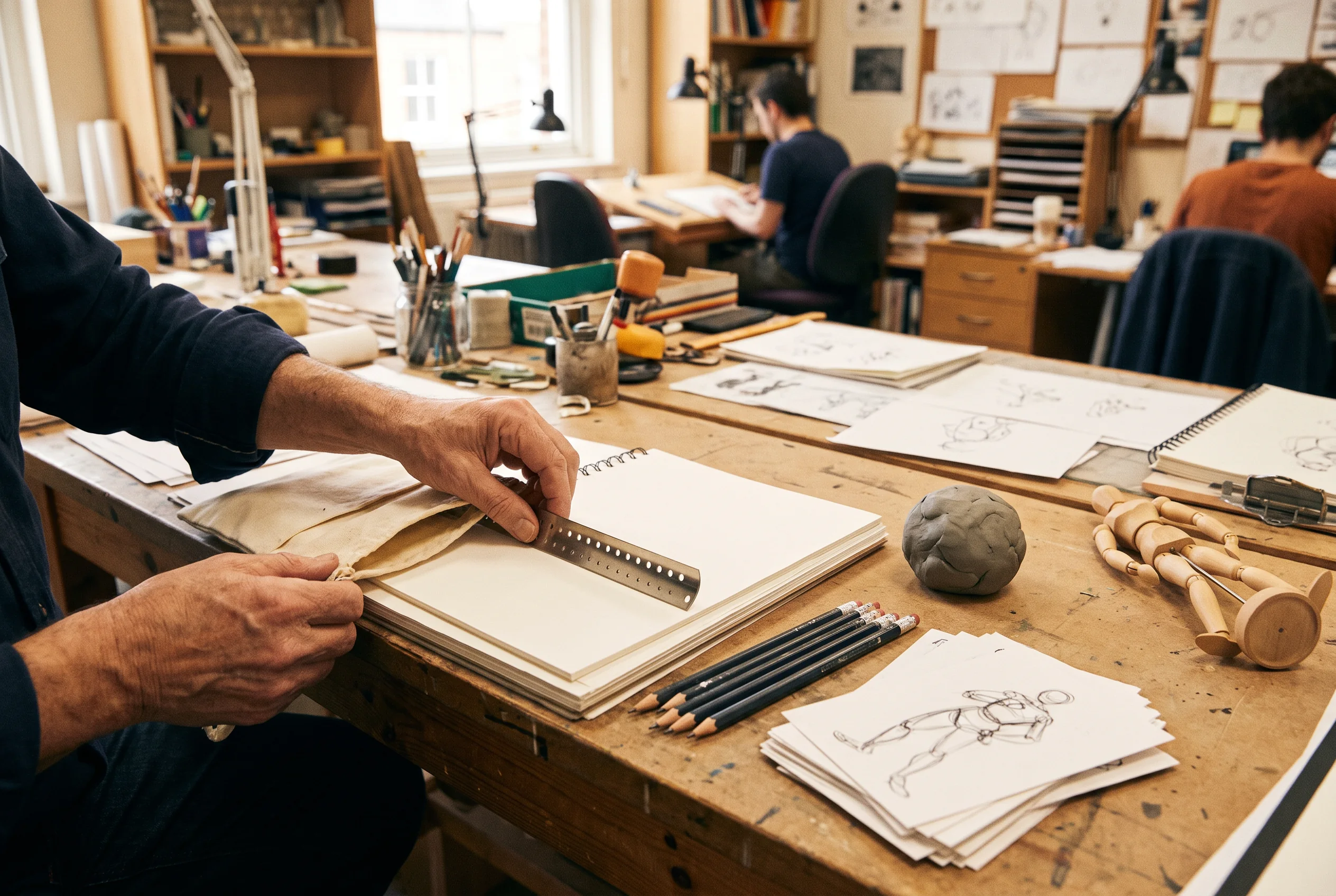
Keep the kit light enough to begin: a simple action, a short reference moment, a clear pose change and a review question. Save your process notes beside the work, not somewhere distant.
11 Portfolio reflection
When you collect a study, include the question that shaped it, the reference that grounded it and the revision that changed it. This makes a portfolio a record of attention, not merely a gallery of outcomes.
12 Field questions
13 Correspondence desk
Tell us which part of character animation or rigging you are studying. This form prepares a message in your own mail app; it does not send anything automatically.
[email protected]